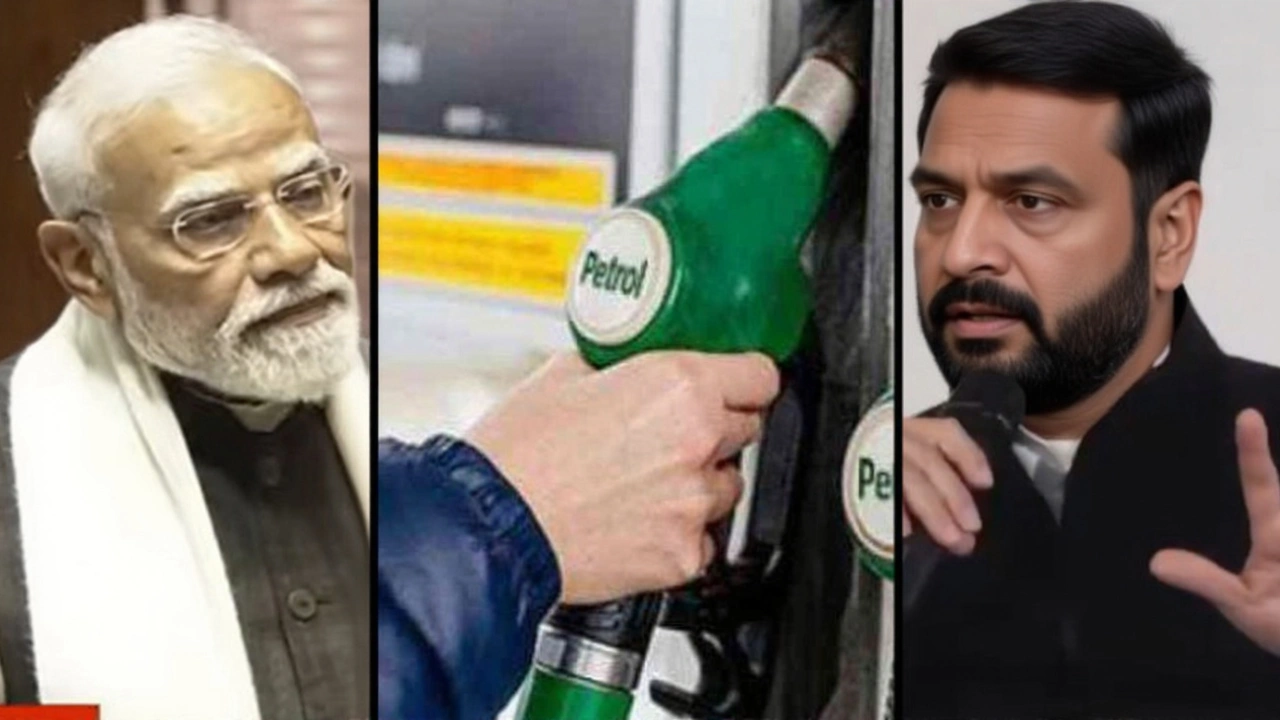
When Rahul Gandhi, Leader of the Opposition in the Lok Sabha, took to social media on Monday, May 25, 2026, he didn't mince words. He labeled Prime Minister Narendra Modi the "Inflation Man" and accused the government of silently draining citizens' pockets through incremental fuel price hikes. The trigger? A fourth consecutive increase in petrol and diesel prices within just 11 days, pushing costs in New Delhi to staggering new highs.
Here’s the thing: this isn’t just a minor adjustment at the pump. On May 25, state-controlled oil marketing companies raised petrol prices by ₹2.61 per liter and diesel by ₹2.71 per liter. This latest move brings the total increase since May 15 to approximately ₹7.38 for petrol and ₹7.53 for diesel. In New Delhi, petrol now crosses the psychological barrier of ₹102, sitting at ₹102.12 per liter, while diesel hovers near ₹95.20.
The Steep Rise Since 2014
But wait, the numbers get even more concerning when you look at the long-term trend. Gandhi pointed out that compared to 2014, when he entered national politics, petrol prices have surged by 43.01%, jumping from ₹71.41 to over ₹102. Diesel has seen an even sharper rise of 67.87%, climbing from ₹56.71 to nearly ₹95.
"Petrol-diesel prices are increased in installments so that your pocket is cut quietly," Gandhi wrote on X (formerly Twitter). He argued that while the Prime Minister makes promises during election seasons, the rest of the time is spent hitting the public's wallet. It’s a narrative designed to resonate with everyday commuters who feel the pinch every time they fill up their tanks.
Opposition Unites Against the 'Burden'
Gandhi wasn’t alone in his criticism. The opposition coalition seems united in framing this as a post-election betrayal. Mallikarjun Kharge, President of the Indian National Congress, went further, alleging that the government had looted the people of ₹42 lakh crore by selling expensive fuel. He questioned why domestic prices were being hiked despite favorable international market conditions.
Akhilesh Yadav, leader of the Samajwadi Party, and leaders from the Trinamool Congress also joined the chorus. They described the hikes as a "harsh burden" on the common man, suggesting that the government temporarily suppressed prices to win votes but is now collecting its dues. The political rhetoric suggests a coordinated effort to paint the current administration as indifferent to rising living costs.
Government Cites Global Instability
On the other side of the debate, the government and its supporters argue that these increases are unavoidable consequences of global market forces. Officials point to rising crude oil prices driven by tensions in West Asia, particularly involving Iran and the strategic Strait of Hormuz. Any disruption in this region directly impacts India’s energy security, given the country’s heavy reliance on imports.
Analysts on news channels like News18 India noted that before these recent hikes, public sector oil companies were operating at significant losses—reportedly around ₹13 per liter on petrol and ₹38 per liter on diesel. The phased increases appear to be an attempt to reduce this deficit gradually rather than implementing one massive, shocking jump. However, critics argue that subsidies should have been maintained to protect consumers from volatility.
Impact on Inflation and Daily Life
Why does this matter beyond the political blame game? Because fuel prices are a key driver of inflation. When transport costs go up, the price of everything else follows. Vegetables, medicines, and daily essentials become more expensive as logistics bills rise. With inflation already a concern in India, these four hikes in ten days act as a double blow to household budgets.
Economists warn that sustained high fuel costs can stifle economic growth and increase unemployment pressures. While the government emphasizes fiscal responsibility and reducing losses for oil firms, the immediate reality for millions of Indians is higher commuting costs and tighter wallets. As the debate continues, all eyes will be on whether prices stabilize or if more hikes are on the horizon.
Frequently Asked Questions
How much did fuel prices increase on May 25, 2026?
On May 25, 2026, petrol prices increased by ₹2.61 per liter and diesel prices rose by ₹2.71 per liter. This marked the fourth consecutive increase since May 15, bringing the total hike in that period to approximately ₹7.38 for petrol and ₹7.53 for diesel.
What are the current fuel prices in New Delhi?
Following the latest hike, petrol in New Delhi costs approximately ₹102.12 per liter, while diesel is priced at around ₹95.20 per liter. These figures represent record highs compared to previous years.
Why is the opposition criticizing the government?
The opposition, led by Rahul Gandhi and Mallikarjun Kharge, accuses the government of using incremental hikes to quietly increase the financial burden on citizens after winning elections. They label PM Modi the "Inflation Man" and claim the hikes benefit corporate interests over the public.
What reasons does the government give for the price hikes?
The government attributes the increases to rising global crude oil prices and geopolitical tensions in West Asia, particularly around Iran and the Strait of Hormuz. Officials also note that state-owned oil companies were facing significant operational losses prior to these adjustments.
How do these hikes affect inflation?
Higher fuel prices directly increase transportation costs, which leads to higher prices for goods such as vegetables, medicines, and daily essentials. This contributes to overall inflation, putting additional pressure on household budgets and potentially slowing economic growth.