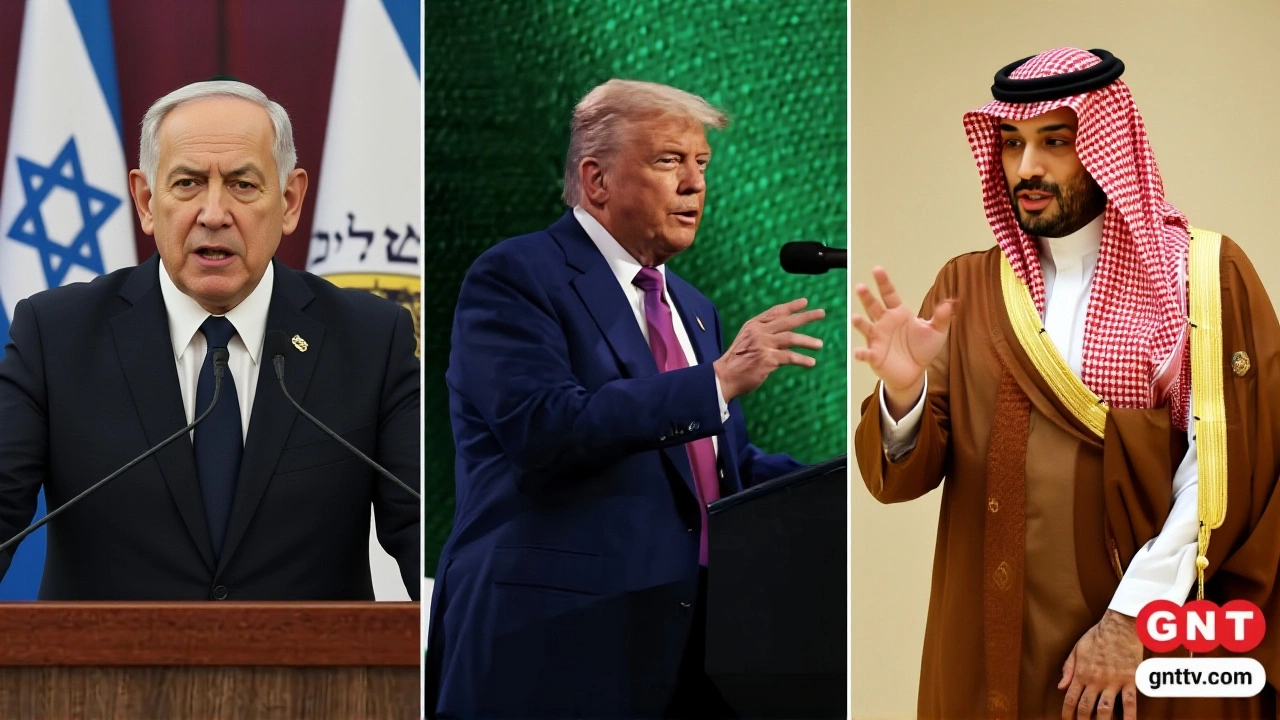
When Donald Trump, President of the United States, appeared on Fox News recently, he dropped a bombshell that sent shockwaves through diplomatic circles. He claimed that unnamed Saudi officials told him "as recently as yesterday" that they are ready to join the Abraham AccordsWashington, D.C.. The catch? Riyadh is still holding firm, resisting the pressure despite Washington’s intense push for a broader regional reset.
The stakes couldn't be higher. This isn't just about handshakes and embassies; it's about reshaping the entire geopolitical map of the Middle East. If Saudi Arabia normalizes relations with Israel, it would validate decades of U.S. strategy while potentially ending the Arab-Israeli conflict in spirit, if not entirely in law. But here’s the thing: the Kingdom has reasons to hesitate that go far beyond public posturing.
The "Abraham Accords 2.0" Gambit
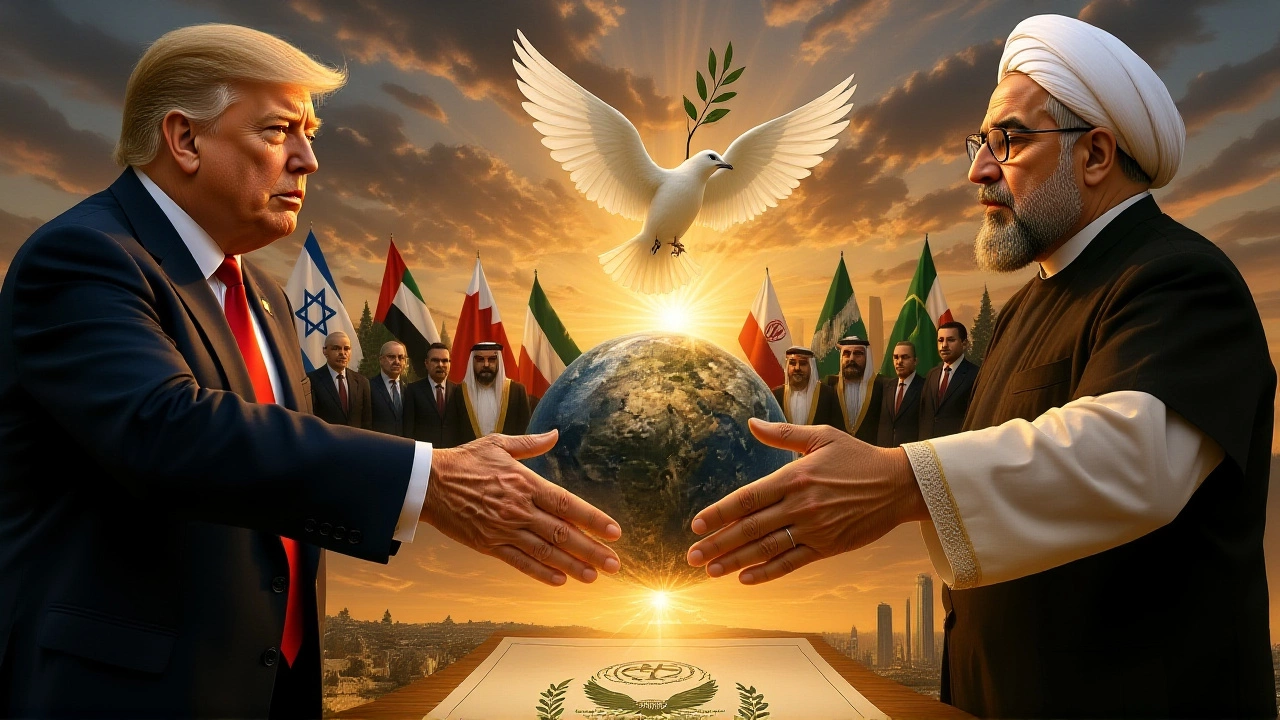
Trump framed Saudi participation as part of a domino effect. In his interview, he predicted that once Riyadh joins, other Arab and Muslim-majority nations will follow suit. He linked this potential shift to two critical conditions: a ceasefire in Gaza and what he described as a "neutered" Iranian threat. According to broadcast analysis, Trump issued a lengthy statement calling for an expansion of the accords, hinting at a negotiated outcome with Iran that could incentivize new signatories.
Think of it as a grand bargain. The logic goes like this: if Iran’s influence is diminished and Gaza stabilizes, the security concerns that have historically blocked normalization vanish. Trump’s administration has been pushing this narrative since July 2025, seeking to expand the accords to include Syria, Lebanon, and Saudi Arabia. It’s a bold move, but it relies heavily on assumptions about regional stability that many experts view with skepticism.
Why Riyadh Is Holding Back
So why is The Kingdom of Saudi Arabia resisting? A detailed analysis in The Jerusalem Post highlights the complex calculus facing Crown Prince Mohammed bin Salman. While back-channel talks between U.S., Israeli, and Saudi interlocutors have been ongoing for years, formal normalization remains elusive. The primary hurdle? Domestic legitimacy.
Saudi Arabia positions itself as the custodian of Islam’s holiest sites in Mecca and Medina. Normalizing ties with Israel without significant concessions on Palestinian statehood or humanitarian relief in Gaza could alienate its own population and the wider Muslim world. As one commentator noted, the decision isn't just foreign policy; it's internal politics. The crown prince needs to balance his vision of modernizing Saudi society with maintaining religious credibility.
Regional Ripple Effects
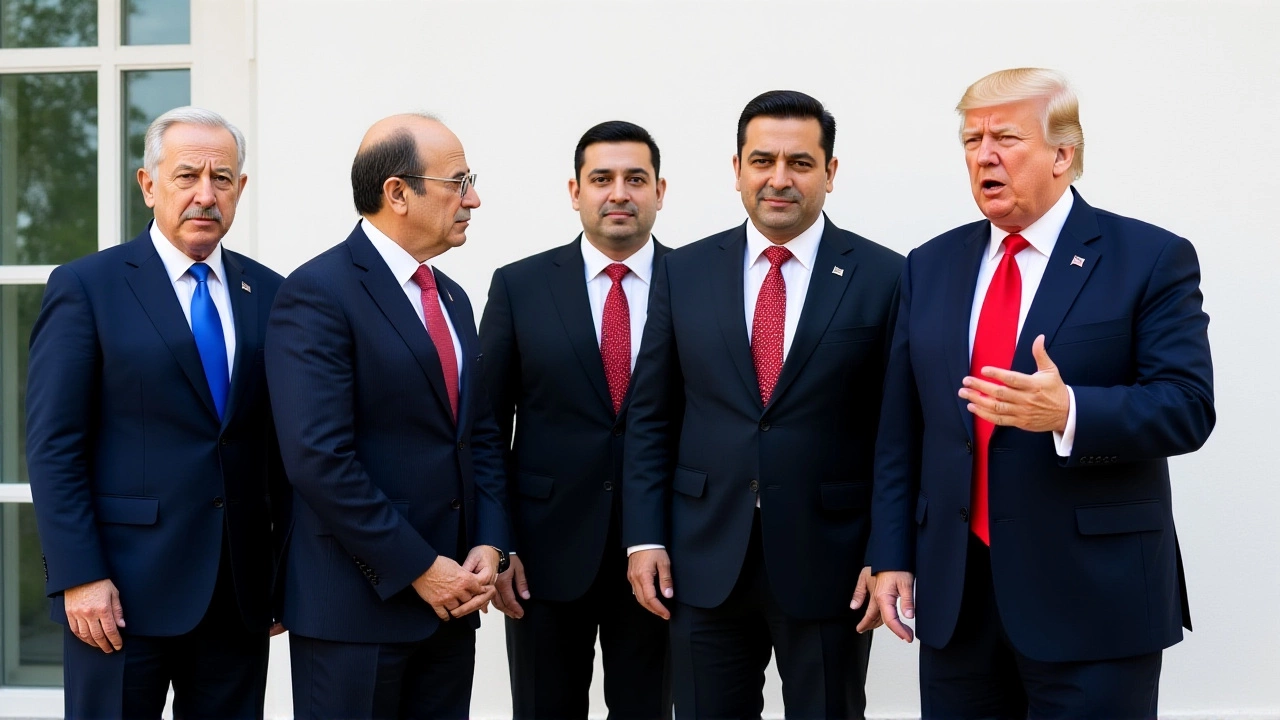
The implications extend far beyond Saudi borders. Trump’s vision includes bringing in states like Qatar, Pakistan, and Turkey. For Pakistan, joining the accords would mean recognizing Israel—a step that analysts warn could cause "huge turmoil" domestically due to longstanding ideological opposition. Even Bahrain, which already signed the original accords in 2020, faces periodic domestic backlash.
U.S. Senator Lindsey Graham, Senator from South Carolina, weighed in on X (formerly Twitter), calling Trump’s strategy a "brilliant move." He argued that if Saudi Arabia, Qatar, and Pakistan joined, it would be "one of the most consequential agreements in the history of the Middle East." That’s high praise, but it also underscores how transformative—and risky—this shift would be.
Historical Context and Future Outlook
To understand the current tension, we need to look back. The original Abraham Accords were brokered during Trump’s first term, with the United Arab Emirates and Bahrain signing in September 2020. Sudan and Morocco followed later that year. These deals bypassed the traditional peace process focused on Palestine, creating a new paradigm where economic and security interests outweighed historical grievances.
Now, with Trump back in office, the momentum has returned. However, the details remain unclear. No specific dates have been set for Saudi accession, and no official Saudi statements confirm readiness. Instead, we’re left with rumors, back-channel whispers, and presidential assertions. The next few months will be critical. Watch for developments in Iran negotiations and Gaza ceasefires—these are the keys that may unlock Riyadh’s door.
Frequently Asked Questions
What are the Abraham Accords?
The Abraham Accords are a series of normalization agreements brokered by the United States between Israel and several Arab countries, starting with the UAE and Bahrain in 2020. They aim to establish diplomatic ties and enhance cooperation in trade, technology, and security, bypassing the long-standing Palestinian issue.
Why is Saudi Arabia hesitant to join?
Saudi Arabia fears domestic backlash and losing credibility among Muslims globally if it normalizes ties with Israel without tangible progress on Palestinian rights or Gaza relief. Additionally, the Kingdom wants assurances regarding its own security and regional influence, particularly concerning Iran.
How does Iran factor into this deal?
Trump has linked Saudi normalization to a reduced Iranian threat. The idea is that if Iran’s regional influence is curtailed through negotiation or pressure, Arab states feel safer aligning with Israel and the U.S. An Iran deal could thus serve as a catalyst for broader Middle Eastern realignment.
Which countries are currently part of the accords?
As of now, seven nations are associated with the framework: Israel, the UAE, Bahrain, Sudan, Morocco, and others who have engaged in varying degrees of normalization. Reports suggest efforts are underway to add Saudi Arabia, Qatar, and potentially Pakistan.
What happens if Saudi Arabia joins?
Saudi accession would likely trigger a wave of similar moves across the region, fundamentally altering diplomatic dynamics. It could lead to increased economic integration, joint security initiatives against common threats like Iran, and a de facto end to the Arab-Israeli conflict as a central driver of regional policy.